
← Back to Blog

The Science of Leucine: Why This Amino Acid is Crucial for Indian Vegetarian Athletes
Leucine triggers muscle protein synthesis but vegetarian diets often lack adequate amounts. Learn how Indian vegetarian athletes can optimize leucine intake for better muscle growth.
Key Takeaways
- Leucine triggers muscle protein synthesis and is the most anabolic amino acid
- Vegetarian diets typically provide 30-40% less leucine than omnivorous diets
- Indian vegetarians need 2.5-3g leucine per meal to maximize muscle growth
- Dal-rice combinations provide incomplete leucine profiles compared to animal proteins
- Strategic supplementation with BCAAs or whey protein can bridge the leucine gap
- Timing leucine intake around workouts enhances muscle recovery and growth
Understanding Leucine: The Master Switch for Muscle Growth
Walk into any gym in Hyderabad and you'll hear endless debates about protein. But here's something most people don't know: it's not just about total protein—it's about leucine.
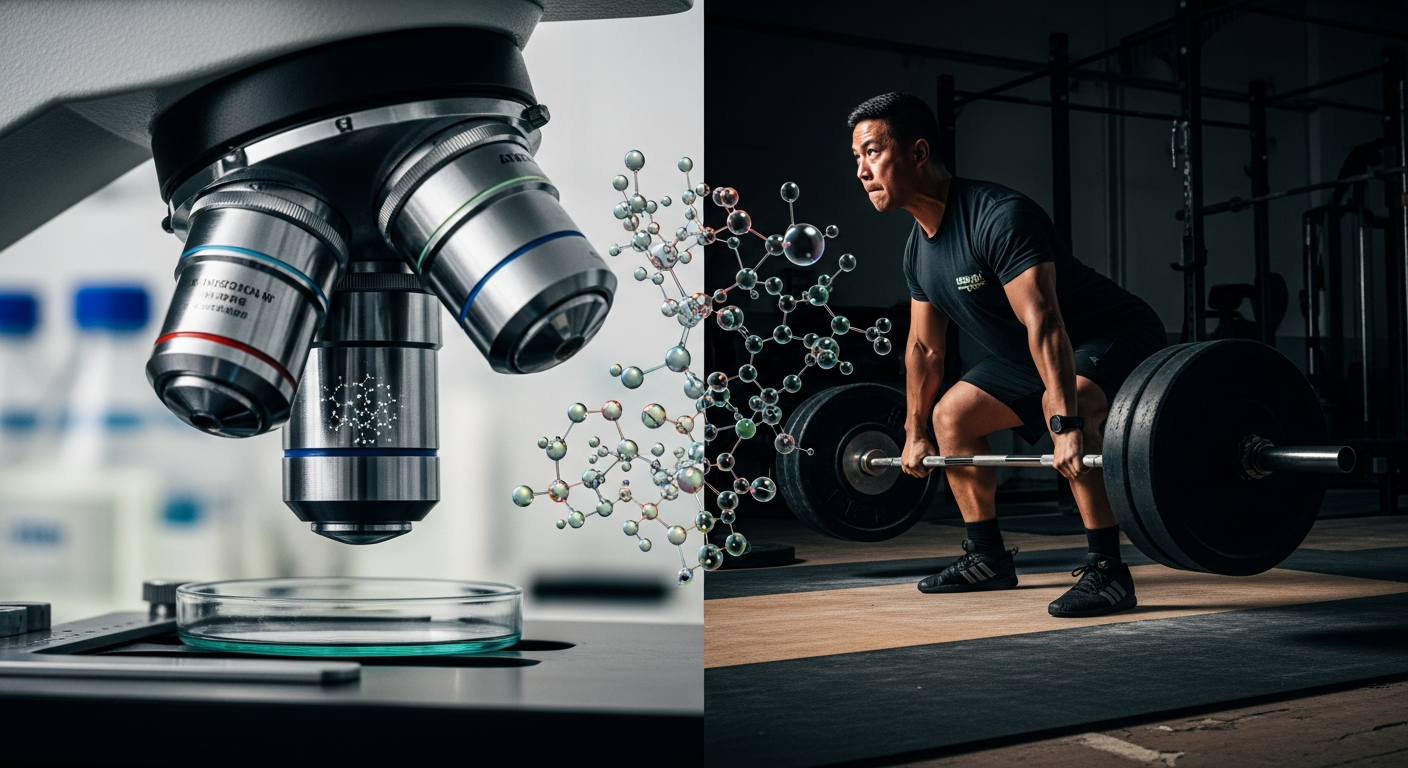
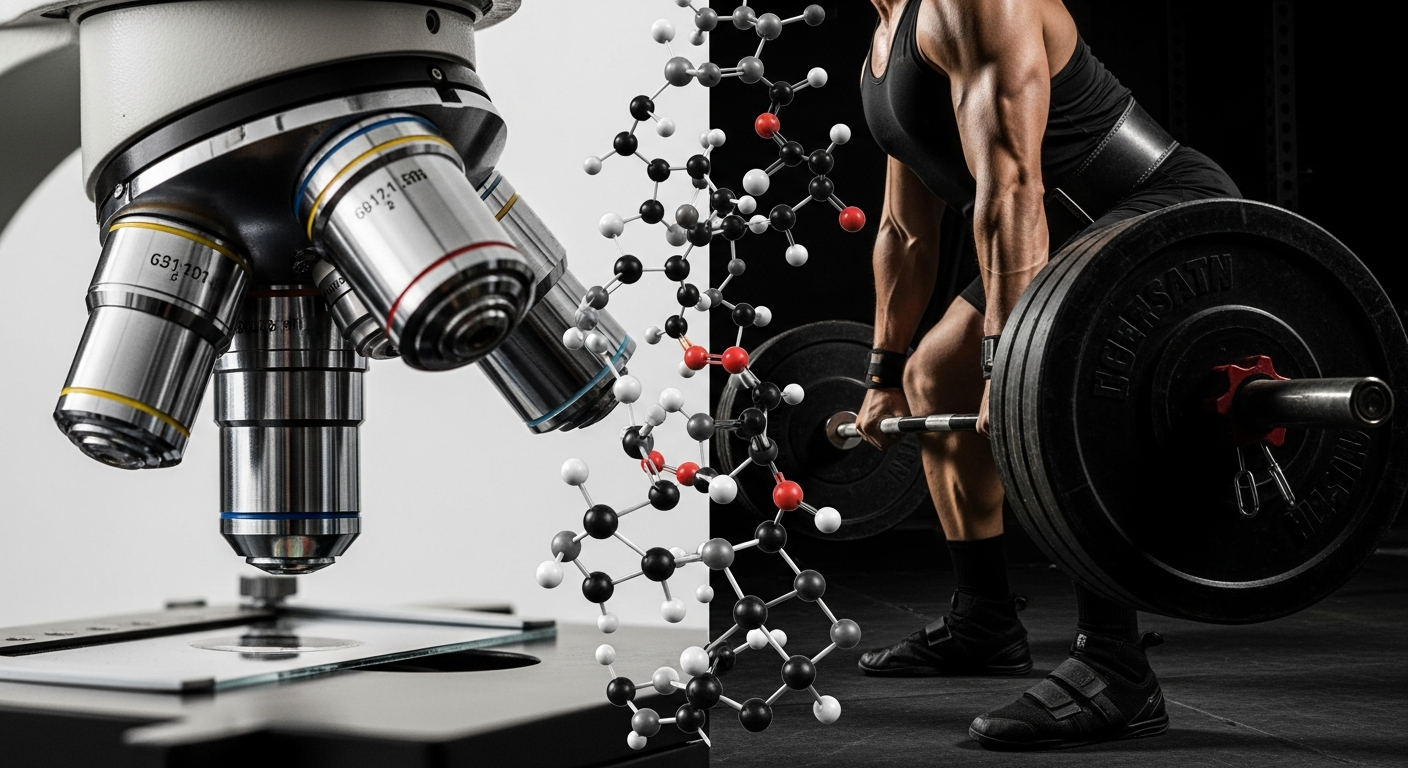
Leucine is one of nine essential amino acids your body can't make on its own. What makes it special? It acts like a molecular switch that turns on muscle protein synthesis (MPS)—the process where your muscles actually grow.
Think of leucine as the ignition key for your muscle-building engine. Without enough of it, even a protein-rich meal won't maximize muscle growth. This becomes especially important for vegetarian athletes who rely on plant-based proteins.
How Leucine Triggers Muscle Protein Synthesis
The science is fascinating. Leucine activates a cellular pathway called mTOR (mechanistic target of rapamycin). When leucine levels spike in your blood after a meal, mTOR gets the signal to start building new muscle proteins.
Research shows you need about 2.5-3 grams of leucine in a single meal to fully activate this pathway. That's roughly what you'd get from 25-30 grams of high-quality whey protein—but getting that much from vegetarian sources? That's where it gets tricky.
The Vegetarian Leucine Challenge in India
Here's the reality: traditional Indian vegetarian diets are amazing for many things, but they're not optimized for leucine content. Most plant proteins contain significantly less leucine than animal proteins.
Let's break down some common protein sources:
| Protein Source | Leucine per 25g Protein | Leucine % |
|---|---|---|
| Whey Protein | 2.7g | 10.8% |
| Paneer | 2.1g | 8.4% |
| Moong Dal | 1.9g | 7.6% |
| Toor Dal | 1.7g | 6.8% |
| Quinoa | 1.5g | 6.0% |
| Brown Rice | 1.2g | 4.8% |
Notice the gap? Even paneer, which is considered a high-quality vegetarian protein, provides about 22% less leucine than whey protein per gram of total protein.
Why Traditional Dal-Rice Combinations Fall Short
The classic dal-rice combination that forms the backbone of Indian vegetarian diets has its merits. Rice provides lysine while dal provides methionine, creating a complete amino acid profile.
But when it comes to leucine density, this combination doesn't hit the optimal threshold. You'd need massive portions—think 3-4 cups of cooked dal—to reach that 2.5g leucine target in a single meal.
💡 Pro Tip: Combine different plant proteins in the same meal. Add hemp seeds to your dal or mix chickpea flour into your roti. This increases the overall leucine content and amino acid diversity.
Leucine Requirements for Indian Vegetarian Athletes
How much leucine do you actually need? The research suggests vegetarian athletes should aim for:
Daily leucine intake: 12-15g total (compared to 8-10g for sedentary individuals)
Per meal leucine: 2.5-3g to maximize muscle protein synthesis
Post-workout leucine: 3-4g within 30 minutes of training
The challenge isn't just hitting these numbers—it's timing them right. Muscle protein synthesis peaks about 1-2 hours after consuming leucine and stays elevated for 3-4 hours.
Factors That Increase Your Leucine Needs
Several factors can bump up your leucine requirements:
Training intensity: High-volume strength training increases leucine oxidation
Age: People over 35 need about 20% more leucine to achieve the same MPS response
Body weight: Heavier athletes need proportionally more leucine
Training frequency: Daily training sessions require consistent leucine intake
Best Plant-Based Leucine Sources for Indian Diets
Let's get practical. Which vegetarian foods pack the most leucine per serving?
High-Leucine Vegetarian Foods (per 100g)
Dairy options:
• Paneer: 1.8g leucine
• Greek yogurt: 1.1g leucine
• Milk: 0.95g leucine
Legumes and pulses:
• Moong dal: 1.7g leucine
• Chana dal: 1.5g leucine
• Rajma: 1.4g leucine
• Black gram (urad): 1.3g leucine
Nuts and seeds:
• Pumpkin seeds: 2.1g leucine
• Almonds: 1.5g leucine
• Peanuts: 1.4g leucine
Want to maximize leucine from whole foods? Try this combination: 1 cup cooked moong dal + 2 tbsp pumpkin seeds + 1 glass milk. That's roughly 2.2g leucine—getting close to the optimal range.
💡 Pro Tip: Roast and grind pumpkin seeds into a powder. Sprinkle 1-2 tbsp on your dal, yogurt, or smoothies for an easy leucine boost without changing the taste much.
Strategic Leucine Supplementation for Vegetarians
Sometimes food alone isn't enough. This is where smart supplementation comes in. At NutraCore, our nutrition consultants often recommend specific strategies for vegetarian athletes struggling to hit their leucine targets.
BCAA and EAA Supplements
BCAA supplements are typically 40-50% leucine by weight. A 10g serving of quality BCAAs provides about 4-5g leucine—perfect for post-workout timing.
The ON BCAA 5000 remains popular with our customers because it dissolves easily and doesn't have that artificial aftertaste some cheaper brands do.
EAA (essential amino acid) supplements offer a more complete profile but typically cost ₹500-800 more than basic BCAAs. The choice depends on your budget and overall protein intake.
Whey Protein for Vegetarians
Many vegetarians overlook whey protein, thinking it's not suitable for their diet. But whey comes from milk—it's vegetarian, not vegan.
Whey protein provides the highest leucine density of any supplement. The ON Gold Standard Whey delivers about 2.7g leucine per 30g scoop.
For those wanting even higher leucine concentration, whey isolates are your best bet. The ON Gold Standard Isolate provides nearly 3g leucine per serving with minimal carbs and fats.
Plant Protein Powders
Don't count out plant protein options entirely. Modern blends combine pea, rice, and hemp proteins to improve the amino acid profile.
While they won't match whey's leucine content gram-for-gram, they're still more leucine-dense than most whole food sources. Plus, they're suitable for vegans.
Optimal Leucine Timing for Maximum Muscle Growth
When you consume leucine matters as much as how much you consume. Your muscle protein synthesis doesn't run continuously—it responds to leucine spikes.
The Leucine Timing Strategy
Pre-workout (30-60 minutes before): 2-3g leucine from BCAAs or whey protein. This primes your muscles for growth and reduces protein breakdown during training.
Post-workout (within 30 minutes): 3-4g leucine along with carbohydrates. This is when your muscles are most receptive to amino acids.
Between meals: If there's more than 4 hours between protein-rich meals, consider a small leucine dose (2g) to maintain elevated amino acid levels.
Before bed: Casein protein or a leucine-rich snack can support overnight recovery, though the evidence is mixed on whether this significantly impacts muscle growth.
Sample Daily Leucine Protocol
Here's how a 75kg vegetarian athlete might structure their leucine intake:
7 AM - Breakfast: Protein smoothie with whey + banana (3g leucine)
10 AM - Pre-workout: BCAA drink (4g leucine)
12 PM - Post-workout: Whey shake + fruit (3g leucine)
2 PM - Lunch: Dal-rice with paneer (2g leucine)
6 PM - Snack: Greek yogurt with almonds (1.5g leucine)
9 PM - Dinner: Chana dal with vegetables (1.5g leucine)
Total daily leucine: ~15g spread across 6 intake points
Common Mistakes Indian Vegetarian Athletes Make
After years of consulting with customers at our Gopanpally and Gachibowli stores, we've noticed some recurring patterns.
Mistake #1: Relying Only on Traditional Foods
Dal and rice are nutritious, but they're not optimized for athletic performance. Many vegetarian athletes eat the same traditional meals without considering leucine timing or density.
Mistake #2: Avoiding All Supplements
Some people view supplements as "cheating" or unnecessary. But when you're training 5-6 days a week, it's nearly impossible to hit optimal leucine targets from food alone without overeating calories.
Mistake #3: Poor Timing
Consuming 60g protein (6g leucine) in one massive evening meal isn't as effective as spreading 3g leucine across multiple meals. Your muscles can only use so much at once.
Mistake #4: Ignoring Individual Needs
A 55kg woman doing yoga three times a week has different leucine needs than a 80kg man powerlifting daily. There's no one-size-fits-all approach.
Measuring Your Progress: Signs of Adequate Leucine Intake
How do you know if your leucine strategy is working? Look for these indicators:
Recovery markers: Less muscle soreness, faster recovery between sessions
Performance indicators: Progressive strength gains, improved endurance
Body composition: Muscle gain without excessive fat accumulation
Energy levels: Sustained energy throughout training sessions
The NutraCore team always emphasizes that supplements should support your training and diet—not replace consistent effort in the gym and kitchen.
Cost-Effective Leucine Strategies
Let's talk budget. Premium supplements can get expensive, but there are smart ways to optimize leucine intake without breaking the bank.
Budget option: Focus on leucine-rich whole foods + basic BCAA powder (₹1,500-2,000/month)
Mid-range option: Quality whey protein + targeted BCAA timing (₹2,500-3,500/month)
Premium option: Multiple supplements with precise timing (₹4,000-6,000/month)
Most recreational athletes see excellent results with the budget or mid-range approach. The premium strategy is mainly for competitive athletes or those with specific body composition goals.
Frequently Asked Questions
Can I get enough leucine from a pure vegetarian diet?
It's possible but challenging. You'd need to consume large quantities of legumes, dairy, and nuts. Most vegetarian athletes benefit from some level of supplementation, even if it's just a basic whey protein powder.
Is leucine supplementation safe long-term?
Research shows leucine supplementation up to 15g daily is safe for healthy adults. However, it's always wise to cycle off supplements occasionally and consult a healthcare provider if you have kidney or liver concerns.
Should I take leucine on rest days?
Yes, muscle protein synthesis continues during recovery. Maintain your regular leucine intake pattern on rest days, though you might skip the pre/post-workout timing.
Can too much leucine be harmful?
Excessive leucine (>20g daily) may interfere with other amino acid absorption and could stress the kidneys. Stick to evidence-based dosing recommendations.
What's the difference between BCAAs and EAAs for leucine?
BCAAs contain only three amino acids with high leucine concentration. EAAs provide all nine essential amino acids but with lower leucine per gram. Choose based on your total protein intake and budget.
Do I need leucine if I'm not trying to build muscle?
Leucine helps preserve muscle mass during weight loss and supports recovery from any physical activity. Even endurance athletes and recreational gym-goers benefit from adequate leucine intake.
Need Help Choosing the Right Supplement?
Visit NutraCore Hyderabad for free expert consultation. We'll help you pick the right product for your goals and budget.
Gopanpally | Gachibowli | 8885065550 | nutracore.in
Get Expert Nutrition Advice
Our team of fitness experts is here to help you reach your goals
Book a Free ConsultationRelated Articles