

← Back to Blog
The Science Behind Creatine Monohydrate: Why It's Essential for Indian Athletes
Discover the science behind creatine monohydrate and why it's crucial for Indian athletes. Get research-backed insights on benefits, dosage, and loading phases.
Key Takeaways
- Creatine monohydrate increases muscle power by 5-15% and helps build lean mass in Indian athletes
- Loading phase: 20g/day for 5-7 days, then 3-5g daily maintenance dose works best
- Recent 2024 studies confirm creatine is safe for vegetarians and enhances cognitive function
- Timing doesn't matter as much as consistency - take it daily, preferably post-workout
- Common myths about kidney damage and hair loss lack scientific evidence in healthy individuals
- Creatine works exceptionally well with Indian vegetarian diets due to naturally lower creatine stores
Understanding Creatine Monohydrate: The Basics
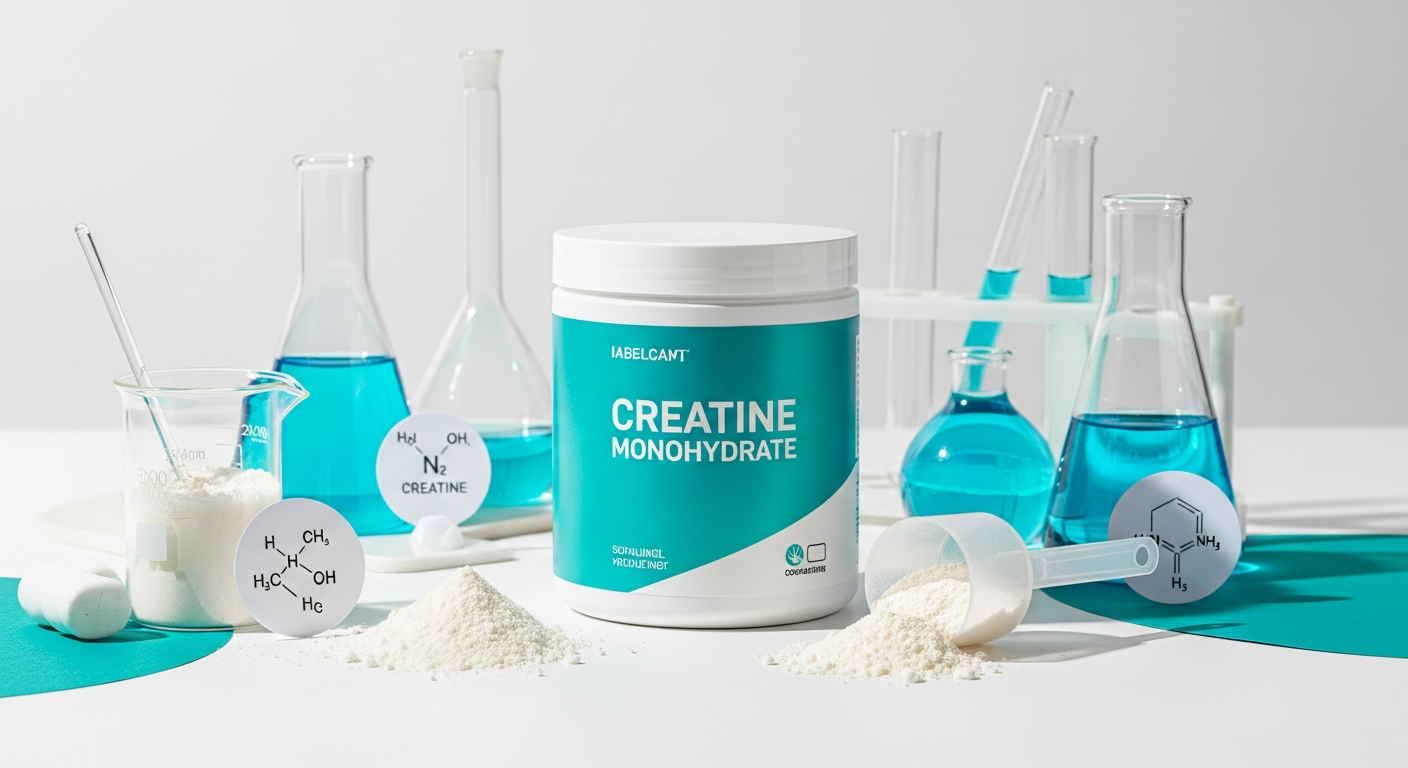
Creatine monohydrate is probably the most researched supplement in sports nutrition history. With over 1,000 peer-reviewed studies backing its effectiveness, it's no wonder that serious athletes worldwide consider it essential.
But what exactly is creatine? It's a naturally occurring compound found in your muscle cells that helps produce energy during high-intensity, short-duration activities like weightlifting, sprinting, or playing cricket.
Your body produces about 1-2 grams of creatine daily in your liver, kidneys, and pancreas. You can also get it from food sources like chicken, fish, and red meat. However, vegetarian diets - common in India - typically provide very little creatine, making supplementation particularly beneficial for Indian athletes.
The Science: How Creatine Works in Your Body
When you perform explosive movements, your muscles use a compound called ATP (adenosine triphosphate) for immediate energy. The problem? Your ATP stores last only 10-15 seconds during intense exercise.
This is where creatine shines. It helps regenerate ATP by donating a phosphate group, allowing you to maintain high-intensity performance for longer periods. Think of it as recharging your muscle's battery faster between sets.
Research-Backed Benefits for Indian Athletes
Multiple studies conducted between 2020-2024 have confirmed several key benefits of creatine supplementation:
Power and Strength Gains: A 2023 meta-analysis showed creatine increases maximum power output by 5-15% in activities lasting under 30 seconds. For Indian athletes competing in events like shot put, weightlifting, or high jump, this translates to measurable performance improvements.
Muscle Mass Development: Recent research indicates creatine helps increase lean body mass by 1-2 kg more than training alone over 6 weeks. This is particularly relevant for Indian athletes who often struggle to gain muscle mass due to genetic factors and dietary patterns.
Cognitive Benefits: Emerging 2024 studies suggest creatine may improve mental performance, reaction time, and decision-making - crucial for sports like badminton, tennis, and cricket where split-second decisions matter.
Pro Tip: Indian vegetarian athletes often see faster and more dramatic results from creatine supplementation because their baseline creatine stores are typically 20-30% lower than meat-eaters.
Optimal Dosage and Loading Phase Protocol
Getting your creatine dosing right is crucial for maximum benefits. Here's what current research tells us about the most effective protocols:
The Loading Phase: Fast-Track Your Results
The traditional loading phase involves taking 20 grams of creatine daily (split into 4 doses of 5g each) for 5-7 days. This saturates your muscle creatine stores about 3-4 times faster than taking smaller doses.
For a 70kg Indian athlete, this protocol typically increases muscle creatine content by 10-30% within a week. However, some people experience digestive discomfort with this approach.
Alternative: Skip the Loading Phase
If you prefer a gentler approach, you can take 3-5 grams daily from day one. This method takes 3-4 weeks to fully saturate your muscles but causes fewer side effects.
| Protocol | Dosage | Duration to Saturation | Side Effects |
|---|---|---|---|
| Loading Phase | 20g/day (5 days), then 3-5g/day | 5-7 days | Possible bloating, stomach upset |
| Standard Protocol | 3-5g daily | 21-28 days | Minimal |
Timing and Combining with Other Supplements
Contrary to popular belief, timing isn't critical with creatine. Since it works by saturating your muscle stores over time, consistency matters more than perfect timing.
That said, taking creatine post-workout with some carbs (like a banana or glucose) can slightly improve uptake. Many athletes at our creatine collection prefer mixing it with their post-workout shake for convenience.
Addressing Common Creatine Myths in Indian Fitness Culture
Despite decades of research, several myths persist about creatine, especially in Indian gyms and fitness communities. Let's address the most common ones:
Myth 1: "Creatine Damages Your Kidneys"
This is perhaps the most persistent myth. Multiple long-term studies, including a comprehensive 2024 review, show that creatine supplementation doesn't harm kidney function in healthy individuals.
The confusion arises because creatine supplementation increases creatinine levels - a marker often used to assess kidney function. However, this increase is due to higher creatine turnover, not kidney damage.
Myth 2: "Creatine Causes Hair Loss"
This myth stems from a single 2009 study on rugby players that showed increased DHT levels. However, no participants actually experienced hair loss, and subsequent research hasn't replicated these findings.
A 2023 systematic review concluded there's insufficient evidence to link creatine supplementation with hair loss in healthy individuals.
Myth 3: "You Need to Cycle On and Off Creatine"
Unlike stimulants, creatine doesn't cause tolerance or require cycling. In fact, stopping creatine causes your muscle stores to return to baseline within 4-6 weeks, eliminating any benefits you've gained.
Continuous supplementation maintains elevated muscle creatine stores and sustained performance benefits.
Pro Tip: At NutraCore's Gopanpally and Gachibowli stores, we often see customers who've been misled by these myths. Our team provides science-based guidance to help you make informed decisions about supplementation.
Why Creatine is Particularly Beneficial for Indian Athletes
Several factors make creatine especially valuable for athletes in India:
Vegetarian Diet Prevalence
With nearly 40% of Indians following vegetarian diets, many athletes have naturally lower creatine stores. Since creatine is primarily found in animal products, vegetarian athletes often see more dramatic improvements from supplementation.
Research shows vegetarians typically have 20-30% lower baseline creatine levels, making them excellent responders to creatine supplementation.
Climate Considerations
India's hot and humid climate increases the demands on your body's energy systems. Creatine helps maintain performance even when environmental stress is high, making it valuable for outdoor sports and training.
Cost-Effectiveness
Compared to most supplements, creatine offers exceptional value. A month's supply typically costs ₹400-800, making it accessible to athletes across different economic backgrounds.
Choosing Quality Creatine Supplements in India
Not all creatine supplements are created equal. Here's what to look for when shopping:
Creatine Monohydrate vs. Other Forms
Despite marketing claims about "advanced" forms like creatine ethyl ester or buffered creatine, research consistently shows that basic creatine monohydrate is most effective and cost-efficient.
Stick with micronized creatine monohydrate from reputable brands. It dissolves better and has the most research support.
Third-Party Testing and Certifications
Look for products that have been tested for banned substances, especially if you compete in drug-tested sports. Many brands in our creatine selection carry NSF or Informed Sport certifications.
Always ensure the product has proper FSSAI licensing and is sourced from authorized distributors - something we guarantee at NutraCore for all our supplements.
Practical Implementation for Indian Athletes
Best Practices for Different Sports
Your sport influences how you might approach creatine supplementation:
Strength Sports (Powerlifting, Weightlifting): Use the loading protocol for faster results. Take 5g with your pre-workout supplement and another 5g post-workout.
Endurance Sports with Sprints (Cricket, Football, Hockey): Standard 3-5g daily protocol works well. Combine with a quality whey protein post-training.
Aesthetic Goals (Bodybuilding): Consistent daily dosing helps maintain muscle fullness and supports training intensity for muscle building.
Combining with Indian Diet Patterns
Creatine works well with traditional Indian meals. Take it with meals containing rice or roti to improve uptake, or mix it into your morning smoothie with fruits.
For those following intermittent fasting - increasingly popular in Indian fitness culture - timing becomes less critical since you're focused on daily consistency rather than meal timing.
Latest Research Updates (2024)
Recent studies have expanded our understanding of creatine's benefits:
A 2024 study published in the Journal of Sports Medicine found that creatine supplementation improved cognitive performance in chess players during tournament play - relevant for sports requiring strategic thinking.
Another 2024 research paper demonstrated that creatine helps maintain muscle mass during periods of reduced training, which could benefit Indian athletes dealing with monsoon season training disruptions.
Emerging research also suggests creatine might help with recovery from injuries, though more studies are needed to confirm these preliminary findings.
Frequently Asked Questions
Is creatine safe for teenagers and young athletes?
Yes, research shows creatine is safe for healthy teenagers engaged in sports. However, it's always wise to consult with a sports nutritionist or doctor before starting any supplement regimen, especially for athletes under 18.
Can women take creatine supplements?
Absolutely. Creatine works equally well for female athletes and doesn't cause any gender-specific side effects. Women often see excellent results, particularly those following vegetarian diets common in Indian culture.
How much water should I drink while taking creatine?
Aim for 3-4 liters of water daily, which is good practice for any athlete. Creatine pulls water into your muscles, so staying well-hydrated helps optimize its benefits and prevents any potential cramping.
Will I lose all my gains if I stop taking creatine?
You won't lose muscle mass, but you'll lose the performance benefits as your creatine stores normalize over 4-6 weeks. Any strength or size gained through improved training quality while using creatine will largely remain.
Can I take creatine with other supplements?
Yes, creatine stacks well with most supplements. It's commonly combined with whey protein, pre-workouts, and multivitamins without any interactions. Avoid taking it with caffeine in very large doses as it might reduce absorption slightly.
How long does it take to see results from creatine?
With a loading phase, you might notice improved performance within 5-7 days. Without loading, expect noticeable benefits after 2-3 weeks of consistent use. Individual response varies, but most people see clear improvements in strength and power output within a month.
Need Help Choosing the Right Supplement?
Visit NutraCore Hyderabad for free expert consultation. We'll help you pick the right product for your goals and budget.
Gopanpally | Gachibowli | 8885065550 | nutracore.in
Get Expert Nutrition Advice
Our team of fitness experts is here to help you reach your goals
Book a Free ConsultationRelated Articles