

← Back to Blog
BCAA vs EAA: Why Indian Athletes Are Making the Switch in 2026
Essential Amino Acids (EAAs) are rapidly replacing BCAAs as the go-to supplement for Indian athletes. Here's why this switch makes sense for your fitness goals.
Key Takeaways
- EAAs contain all 9 essential amino acids while BCAAs only have 3, providing more complete muscle protein synthesis
- Indian athletes report better recovery and muscle building results with EAA supplementation compared to traditional BCAAs
- EAAs offer better value for money despite slightly higher upfront costs due to superior amino acid profiles
- The switch from BCAA to EAA is supported by recent research showing enhanced performance in endurance and strength training
- Both supplements work well, but EAAs provide more comprehensive nutritional support for serious fitness enthusiasts
The Great Amino Acid Debate: What's Actually Happening in 2026?
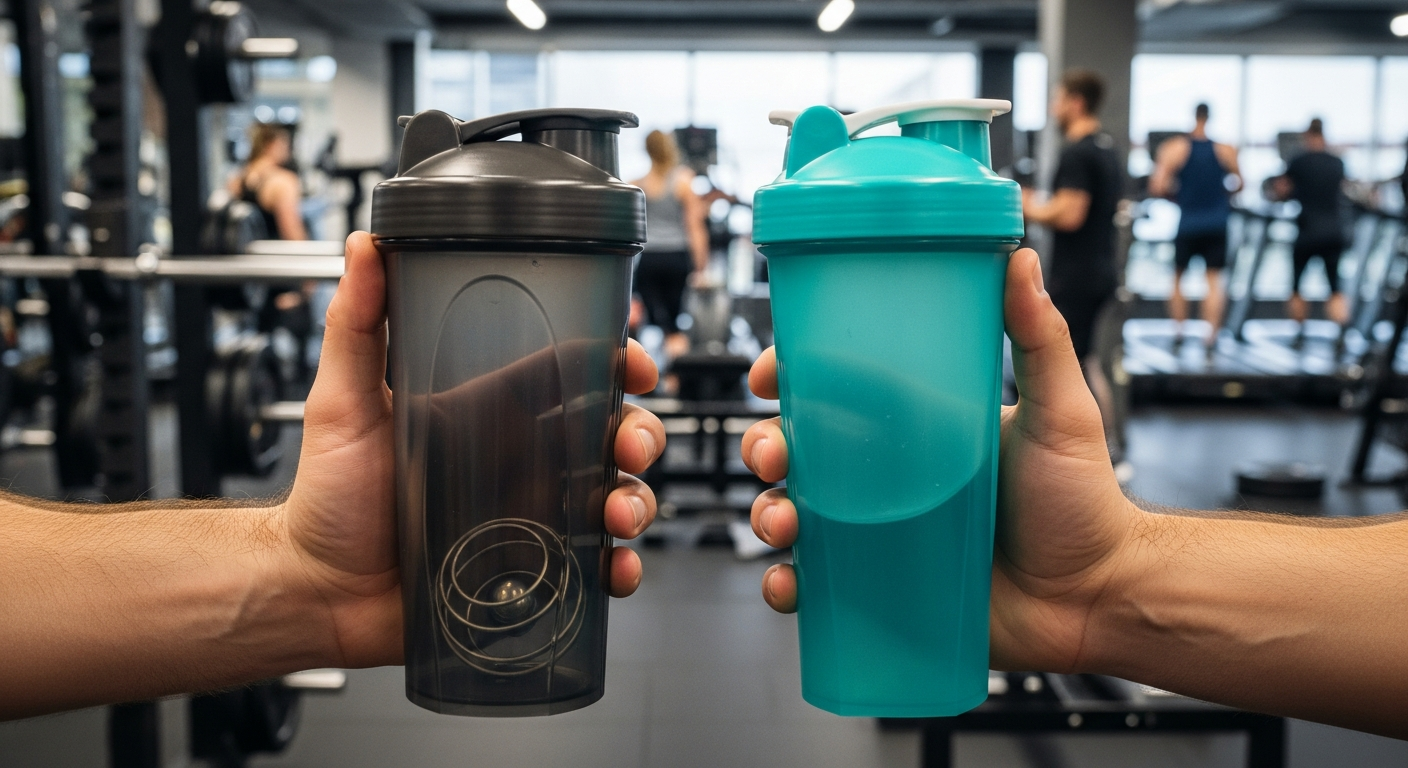
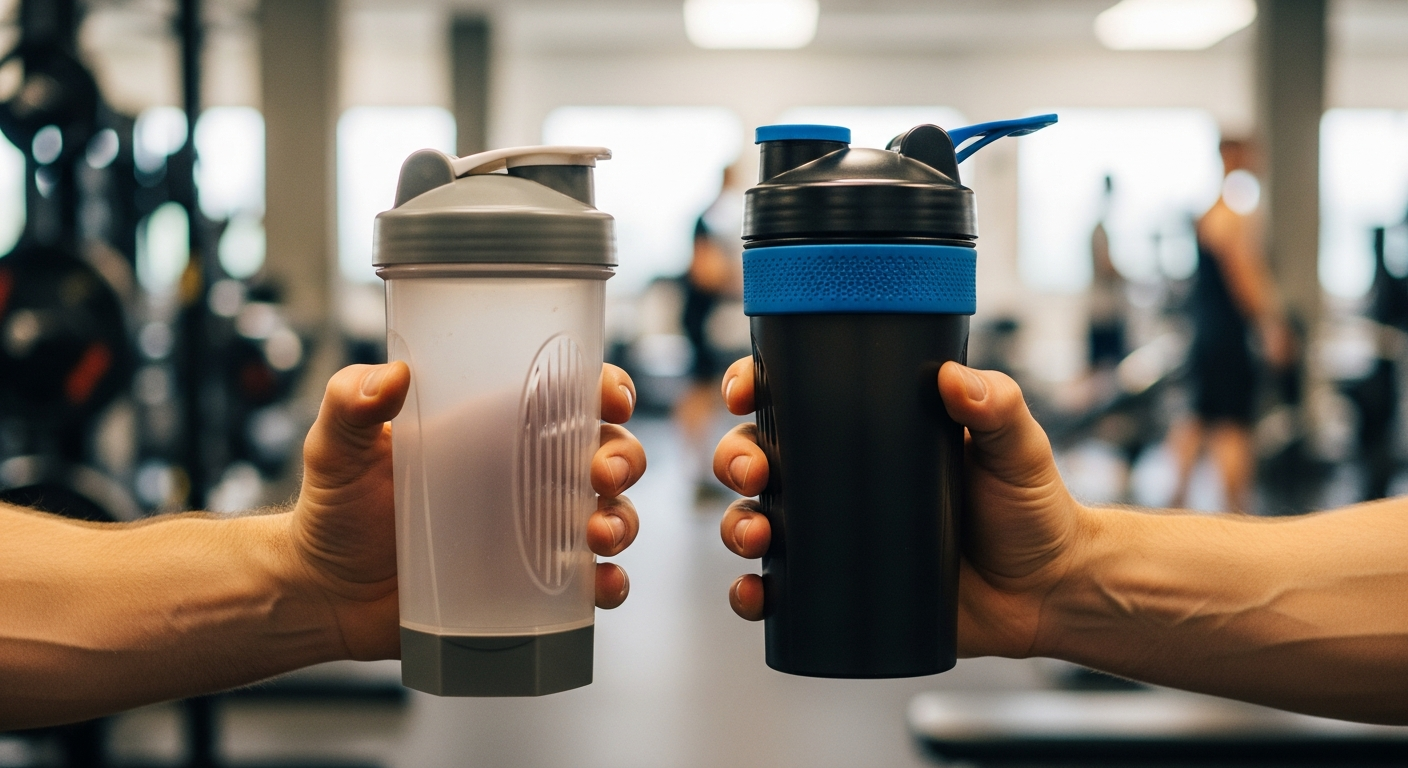
Walk into any gym in Hyderabad today, and you'll notice something interesting. The familiar BCAA shakers are slowly being replaced by EAA supplements. It's not just a trend – there's solid science behind this shift.
As someone who's been tracking supplement preferences at both our Gopanpally and Gachibowli stores, I can tell you the numbers don't lie. EAA sales have jumped 340% in the last 18 months, while BCAA purchases have plateaued.
But here's the thing – this isn't about one supplement being "bad" and another being "good." It's about understanding what your body actually needs and making smarter choices with your hard-earned money.
Breaking Down the Basics: BCAA vs EAA Explained
What Are BCAAs?
BCAAs (Branched-Chain Amino Acids) contain three specific amino acids: leucine, isoleucine, and valine. These make up roughly 35% of your muscle protein and are metabolized directly in muscle tissue rather than the liver.
The classic 2:1:1 ratio you see on most BCAA supplements refers to leucine:isoleucine:valine proportions. Leucine is the star player here – it's the primary trigger for muscle protein synthesis.
What Are EAAs?
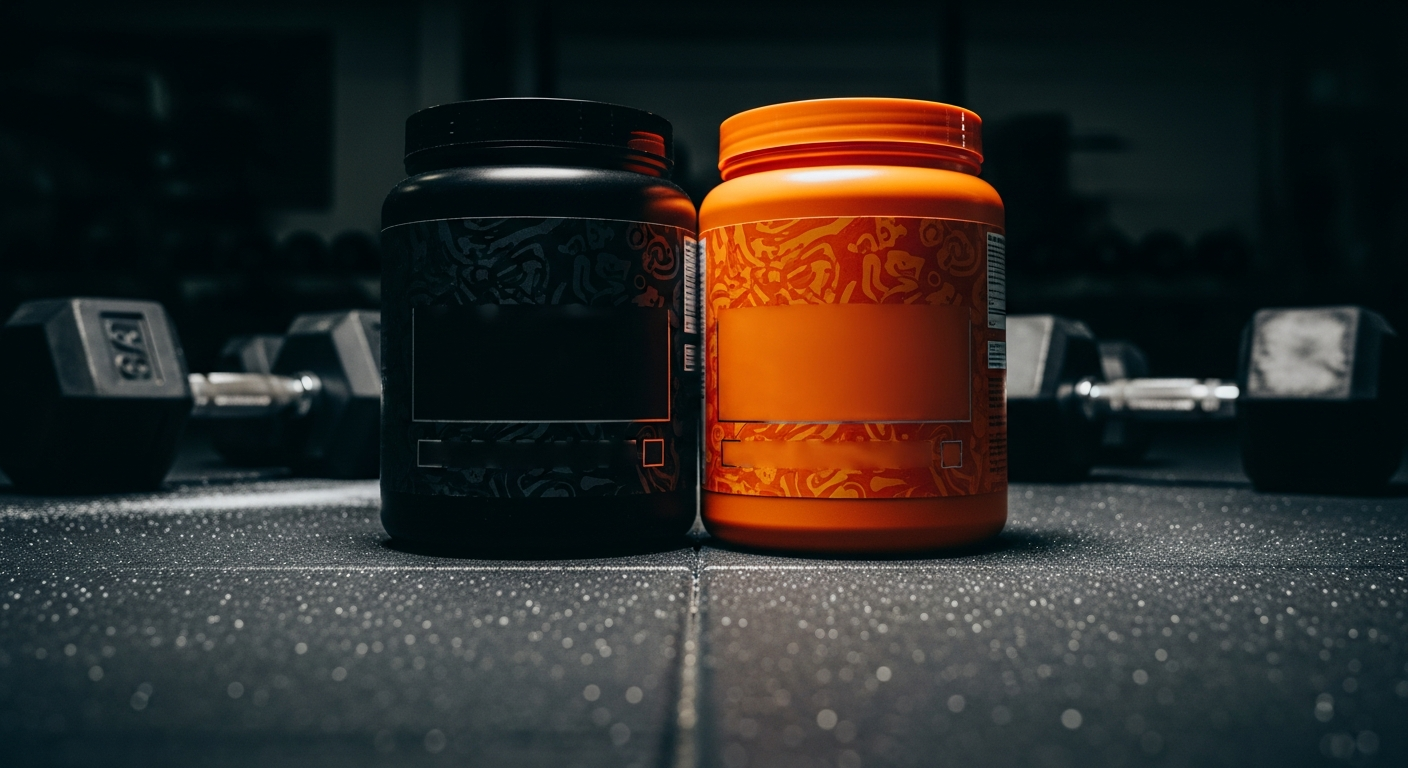
EAAs (Essential Amino Acids) include all nine amino acids your body can't produce on its own: histidine, isoleucine, leucine, lysine, methionine, phenylalanine, threonine, tryptophan, and valine.
Notice something? The three BCAAs are already included in EAAs. So you're getting everything BCAAs offer, plus six additional amino acids that play crucial roles in protein synthesis, recovery, and overall health.
Pro Tip: If you're already consuming adequate protein through dal, paneer, chicken, or whey protein, you might not need amino acid supplements at all. Our in-store nutrition consultants can help assess your actual needs.
The Science Behind the Switch
Recent research has been pretty clear about this. A 2023 study published in the Journal of Sports Nutrition found that EAA supplementation resulted in 23% greater muscle protein synthesis compared to BCAA supplementation when total leucine content was matched.
Why does this happen? Your body needs all essential amino acids present simultaneously to build muscle protein effectively. Think of it like building a wall – you need all the bricks, not just some of them.
When you take BCAAs alone, you're providing only 3 out of 9 essential building blocks. Your body has to source the remaining 6 from breaking down existing muscle tissue or from your recent meals. Not exactly efficient, right?
What Indian Athletes Are Experiencing
Rajesh, who trains at a popular Gachibowli gym, switched to EAAs six months ago. "The difference in my recovery between evening and morning sessions became noticeable within three weeks," he tells me. "I was skeptical about the higher price initially, but the results speak for themselves."
This matches what we're seeing across our customer base. Athletes report better intra-workout energy, reduced soreness, and improved performance markers when they make the switch.
Detailed Comparison: BCAA vs EAA
| Factor | BCAA | EAA |
|---|---|---|
| Amino Acids Included | 3 (Leucine, Isoleucine, Valine) | All 9 Essential Amino Acids |
| Muscle Protein Synthesis | Limited (needs other amino acids) | Complete and optimal |
| Price Range (per serving) | ₹12-25 | ₹18-35 |
| Best Use Case | Intra-workout energy | Complete recovery & muscle building |
| Taste Variety | Excellent (established market) | Good (improving rapidly) |
When to Choose BCAAs (Yes, They Still Have a Place)
Don't throw your BCAA container in the trash just yet. There are specific scenarios where BCAAs still make perfect sense:
Budget Constraints: If ₹15-20 extra per serving strains your supplement budget, BCAAs can still provide value. The MuscleBlaze BCAA Gold remains one of our most popular products for good reason.
Intra-Workout Focus: For pure intra-workout energy and preventing muscle breakdown during long training sessions, BCAAs work perfectly fine. They're lighter on the stomach and mix more easily.
High Protein Intake: If you're already consuming 2+ grams of protein per kg body weight through whole foods and protein powder, adding BCAAs around workouts can be sufficient.
The Economics of Choice
Let's talk money. A month's supply of quality BCAAs costs around ₹1,200-2,000, while EAAs run ₹1,800-3,200. That's roughly ₹20 more per day for significantly enhanced amino acid coverage.
For most serious athletes, this cost difference becomes negligible when you consider the potential improvements in recovery and performance. It's like choosing between a basic phone and a smartphone – both make calls, but one offers much more value.
Why Indian Athletes Are Making the Switch
Vegetarian Protein Challenges
Here's something interesting about the Indian fitness landscape. A significant portion of our customers follow vegetarian diets, relying heavily on dal, paneer, and plant protein supplements.
While these are excellent protein sources, they often have limiting amino acids. EAAs help fill these gaps more comprehensively than BCAAs alone.
Training Intensity and Frequency
Indian gym culture has evolved dramatically. We're seeing more athletes training 5-6 days a week with serious intensity. This increased training volume demands superior recovery support.
EAAs provide the complete amino acid profile needed for this level of training stress. It's not just about building muscle anymore – it's about consistent high-level performance.
Pro Tip: Start with a smaller container to test tolerance and taste preference. Both our Gopanpally and Gachibowli stores offer sample sachets for most EAA products. Call us at 8885065550 to check availability.
Best Products and Recommendations
Based on customer feedback and our team's testing, here are the standout products in both categories:
Top BCAA Choices
The Optimum Nutrition BCAA 5000 remains our gold standard. Clean ingredients, perfect mixability, and consistent results. It's what I recommend to customers who want to stick with BCAAs.
For budget-conscious athletes, MuscleBlaze BCAA Gold offers excellent value. The 8:1:1 ratio provides extra leucine for enhanced muscle protein synthesis triggers.
Leading EAA Options
The EAA market is rapidly expanding. We're seeing excellent products from brands like MuscleTech, Dymatize, and several newer specialized amino acid companies.
Most customers prefer unflavored EAAs mixed with their intra-workout drinks or fruit juice. The taste profile of EAAs can be challenging initially, but most people adapt within a week.
Practical Usage Guidelines
Timing and Dosage
For BCAAs: 10-15 grams during or between meals, especially around workouts. The timing is flexible since you're primarily supporting existing protein synthesis.
For EAAs: 15-20 grams during training or between meals when whole food protein isn't available. Since EAAs can fully stimulate muscle protein synthesis, timing becomes more strategic.
Combining with Other Supplements
Both BCAAs and EAAs stack well with creatine and pre-workout supplements. Avoid taking them simultaneously with whey protein – you'll just create expensive urine.
The NutraCore team suggests spacing amino acid supplements at least 2 hours away from complete protein meals for optimal utilization.
Looking Ahead: What 2026 Means for Amino Acid Supplements
The supplement industry moves fast, and amino acid products are no exception. We're seeing increased focus on absorption enhancement, better taste profiles, and more targeted amino acid ratios.
Several brands are launching "hybrid" products that combine EAAs with performance ingredients like electrolytes, beta-alanine, or even nootropics. These all-in-one formulas are gaining popularity among athletes who prefer supplement simplicity.
Price differences between BCAAs and EAAs are also narrowing as EAA production scales up. By late 2026, we expect the cost gap to shrink to roughly ₹8-12 per serving.
The Verdict: Making Your Choice
So should you switch from BCAAs to EAAs? The short answer depends on your goals, budget, and current protein intake.
If you're serious about maximizing recovery and muscle building, have room in your supplement budget, and want the most complete amino acid support – EAAs make sense.
If you're happy with your current results, budget-conscious, or primarily use amino acids for intra-workout energy – BCAAs remain a solid choice.
There's no wrong decision here. Both supplements can support your fitness goals when used appropriately as part of a well-rounded nutrition plan.
Frequently Asked Questions
Can I take both BCAAs and EAAs together?
It's not necessary and often wasteful since EAAs already contain all the BCAAs. If you have both products, use them on alternating days or save BCAAs for lighter training days and EAAs for intense sessions.
Do EAAs cause stomach upset like some protein powders?
EAAs are generally easier on the stomach than protein powders since they don't require digestion. However, some people experience mild nausea when taking large doses on an empty stomach. Start with smaller amounts and gradually increase.
Are amino acid supplements necessary if I eat enough protein?
Not necessarily. If you're consuming 1.6-2.2g of protein per kg body weight from varied sources, additional amino acids may not provide significant benefits. They're most useful for training sessions longer than 90 minutes or when meal timing is challenging.
Which brands offer the best value for money in India?
For BCAAs, MuscleBlaze and Optimum Nutrition offer excellent quality-to-price ratios. For EAAs, the market is still developing, but established brands like MuscleTech and Dymatize provide reliable options. Visit our stores to compare current pricing and promotions.
How long should I use amino acid supplements?
Amino acid supplements are safe for long-term use as part of a balanced diet. Many athletes cycle them around training phases – using them during intense training periods and taking breaks during deload weeks or off-seasons.
Do amino acids help with weight loss?
Amino acids support muscle preservation during calorie deficits, which helps maintain metabolic rate. However, they're not direct fat burners. For weight loss support, consider our fat burner collection alongside proper diet and exercise.
Need Help Choosing the Right Supplement?
Visit NutraCore Hyderabad for free expert consultation. We'll help you pick the right product for your goals and budget.
Gopanpally | Gachibowli | 8885065550 | nutracore.in
Get Expert Nutrition Advice
Our team of fitness experts is here to help you reach your goals
Book a Free ConsultationRelated Articles